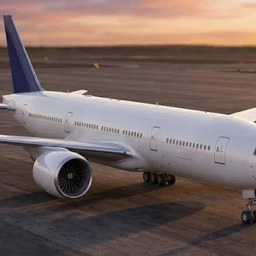
Flight controls
Primary controls (aileron, elevator, rudder) move the aircraft about its three axes. Secondary controls — flaps, trim, slats, spoilers — change the shape or balance of the aerofoil. Flaps increase camber, raising lift and drag and lowering the stall speed, which is why an approach flown with flap can be flown slower and steeper.
Fuel and induction
Gravity-fed high-wing trainers need no boost pump in normal operation; low-wing types use an electric pump for start, take-off and landing. Carburettor icing can form in humid air at temperatures well above freezing, typically in the +5 to +20 °C range at low power — carb heat is a preventative, not just a cure.
Electrical system
An engine-driven alternator supplies the bus and charges the battery; the battery is a reserve, not a supply. A discharging ammeter or a low-voltage light in flight means load-shed to essentials and plan a landing while the battery still has capacity for gear, flaps and radios.
Pitot-static and vacuum
The airspeed indicator uses both pitot and static pressure; altimeter and VSI use static only. A blocked static port makes the altimeter freeze and the ASI under-read in a climb — hence the alternate static source. Gyroscopic attitude and heading instruments on classic panels run from a vacuum pump; its failure is quiet and is a leading cause of loss of control in IMC.
KEY TAKEAWAYS
- ▸Carb icing is most likely at low power in humid air, even above freezing.
- ▸Blocked static: altimeter sticks, ASI under-reads in the climb, over-reads in the descent.
- ▸The alternator is the supply; the battery is only reserve.
Check-ride
Six questions from this module. Score 70% or better to have it signed off in your training record.