The four-stroke piston
Induction, compression, power, exhaust. Mixture is leaned as you climb because air density falls while the fuel metering does not. Running too lean at high power raises cylinder head and exhaust gas temperatures and risks detonation; enrichening is the standard cooling tool.
Constant-speed propellers
The blue lever sets RPM, the black lever sets manifold pressure. The governor changes blade pitch to hold the selected RPM as airspeed and power vary. Standard practice on power changes: increase manifold pressure last when reducing RPM, and increase RPM first when adding power.
Gas turbines
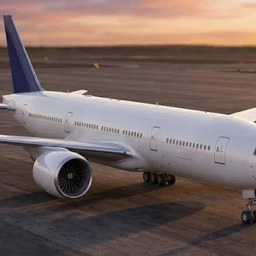
Suck, squeeze, burn, blow. A turboprop turns most of that energy into shaft power for the propeller and only a small residual jet thrust; a turbofan accelerates a large mass of bypass air modestly, which is far more efficient at subsonic cruise than a pure turbojet.
Engine handling
Shock cooling, over-boosting and rushed shutdowns are the main sources of avoidable damage. Turbochargers and turbines both want a stabilised cool-down at low power before shutdown so the bearings are not left soaking heat with no oil flow.
KEY TAKEAWAYS
- ▸Lean with altitude; enrich to cool.
- ▸RPM up first when adding power, manifold pressure up last when reducing RPM.
- ▸High-bypass turbofans win on efficiency by moving lots of air slowly.
Check-ride
Six questions from this module. Score 70% or better to have it signed off in your training record.