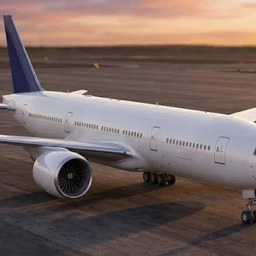
Density altitude
Pressure altitude corrected for temperature. High, hot and humid means a longer take-off run, a worse climb gradient and a higher true airspeed at the same indicated airspeed. On a hot day at a high field, the aircraft may be legally loaded and still unable to clear the obstacles.
Weight and balance
Compute moment as weight times arm and check both weight and CG against the envelope for take-off and for landing. Fuel burn moves the CG, so a legal take-off configuration can still finish outside the aft limit. Overweight costs runway, climb rate, ceiling and stall margin at once.
Take-off and landing distance
Apply the book factors: a percentage penalty per 1,000 ft of elevation, per 10 °C above ISA, for grass and for wet or soft surfaces, and a safety factor on top. A tailwind component of 10% of lift-off speed can add around 20% to the take-off distance — a very expensive convenience.
Airmanship in practice
Brief every departure and every approach out loud: what you expect, what you will do if the engine fails, and the point at which you go around. A decided-in-advance go-around is calm; an improvised one is not.
KEY TAKEAWAYS
- ▸High, hot, humid = high density altitude = poor performance.
- ▸Fuel burn moves the CG — check take-off and landing configurations.
- ▸Brief the go-around before you need it.
Check-ride
Six questions from this module. Score 70% or better to have it signed off in your training record.